
Composing Collective Inquiry
Project
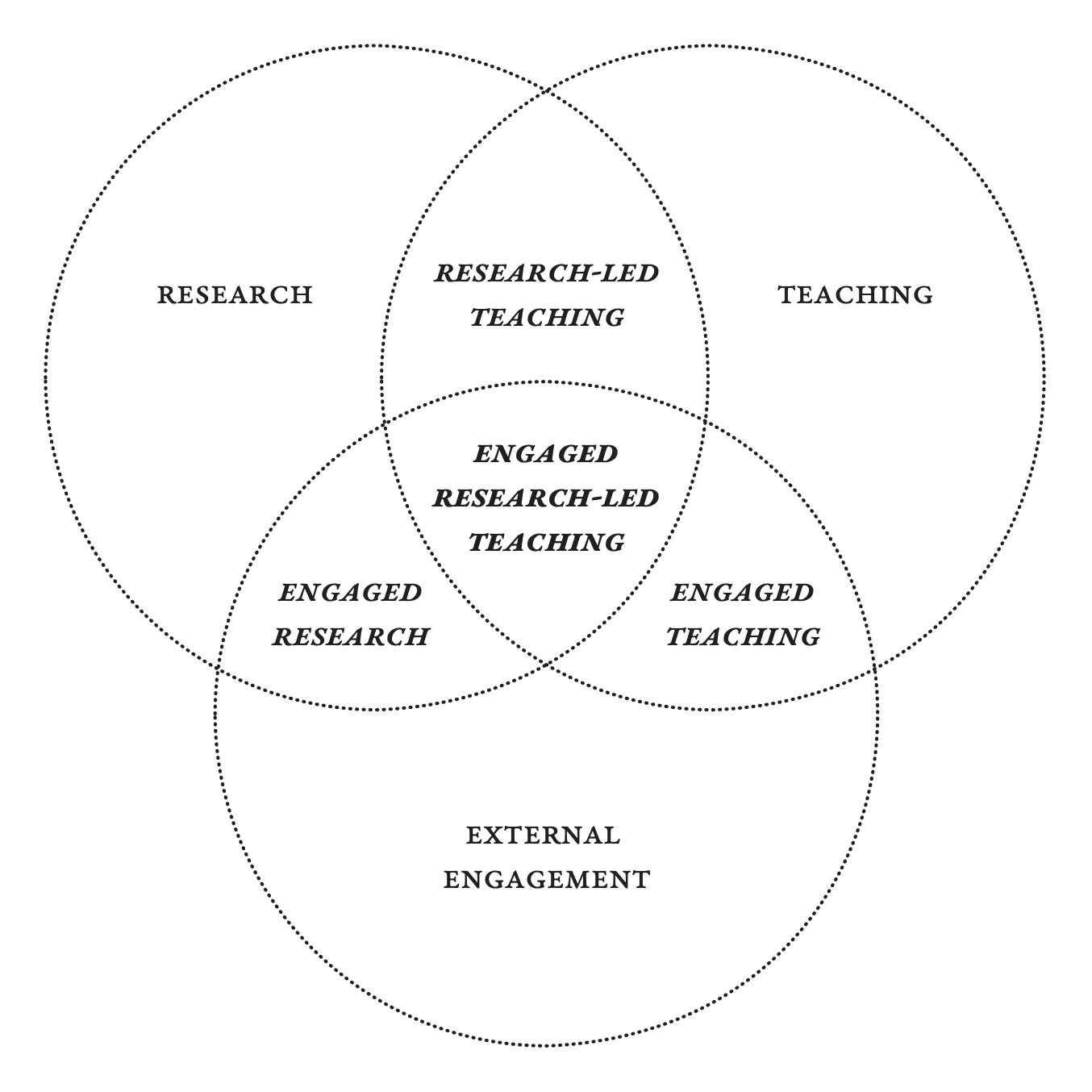
How can researchers, students and civil society groups work together as co-inquirers in a way which takes into account their various perspectives, needs and concerns? How can we organise situations of collective inquiry that contribute to enriching learning experiences, compelling research and meaningful societal engagement?
This project examines the organisation of collaborative digital methods and data projects in the context of engaged research-led teaching in the humanities. Drawing on interviews, field notes, projects and practices from across eight research groups associated with the Public Data Lab, it provides considerations for those interested in undertaking such projects, organised around four areas: composing (1) problems and questions; (2) collectives of inquiry; (3) learning devices and infrastructures; and (4) vernacular, boundary and experimental outputs.
Informed by constructivist approaches to learning and pragmatist approaches to collective inquiry, these considerations aim to support teaching and learning through digital projects which surface and reflect on the questions, problems, formats, data, methods, materials and means through which they are produced.
You can read more at:
- Gray, J. W. Y., Bounegru, L., Rogers, R., Venturini, T., Ricci, D., Meunier, A., Mauri, M., Niederer, S., Sanchez-Querubin, N., Tuters, M., Kimbell, L., & Munk, A. (2022). Engaged research-led teaching: Composing collective inquiry with digital methods and data. Digital Culture and Education, 14(3).